Dry processing
Explore roller compaction when considering a dry route. Define the acceptable granule range and review how the material behaves in a trial.
Explore roller compactors
GRANULATION / PROCESS PLANNING
Review wet and dry processing routes for capsule and tablet applications. Connect equipment selection with trial objectives, drying, cleaning and operator training.
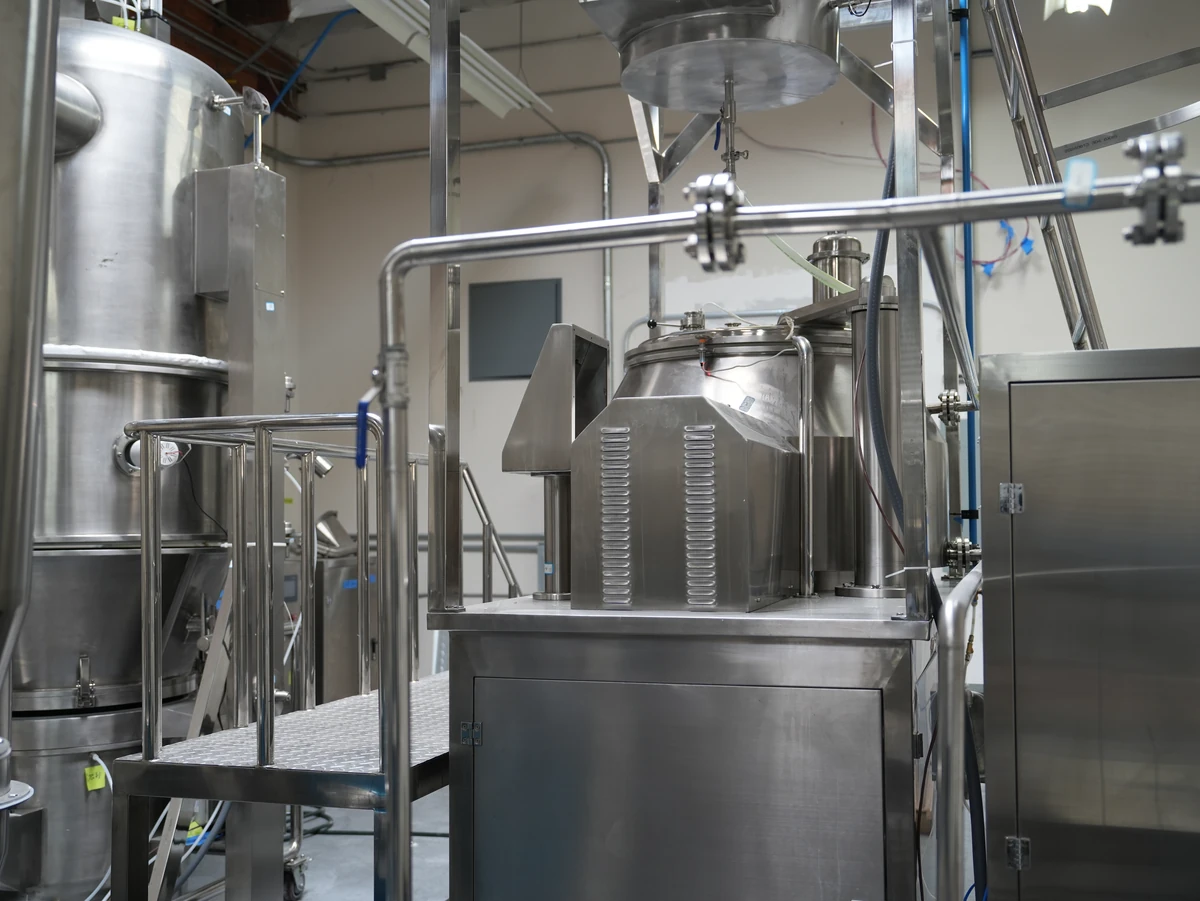
START WITH THE PROCESS
Describe the powder, the intended capsule or tablet process and the properties you need from the granules. Use that brief to compare equipment configurations and define a useful material trial.
Explore roller compaction when considering a dry route. Define the acceptable granule range and review how the material behaves in a trial.
Explore roller compactorsReview mixing, binder addition, wet milling and downstream drying as a connected process. Define each transfer and the cleaning scope.
Explore wet granulation equipmentCompare drying and granulation configurations against the selected process. Confirm material handling, filtration and site connections for the application.
Explore fluid-bed equipmentDefine where blending belongs before or after granulation. Review the material transfer, batch handling and cleaning requirements alongside the selected equipment.
Explore blending equipmentBUILD THE APPLICATION BRIEF
The right discussion starts with your formulation and process constraints. Equipment capacity alone does not establish whether a configuration will work for a particular material.
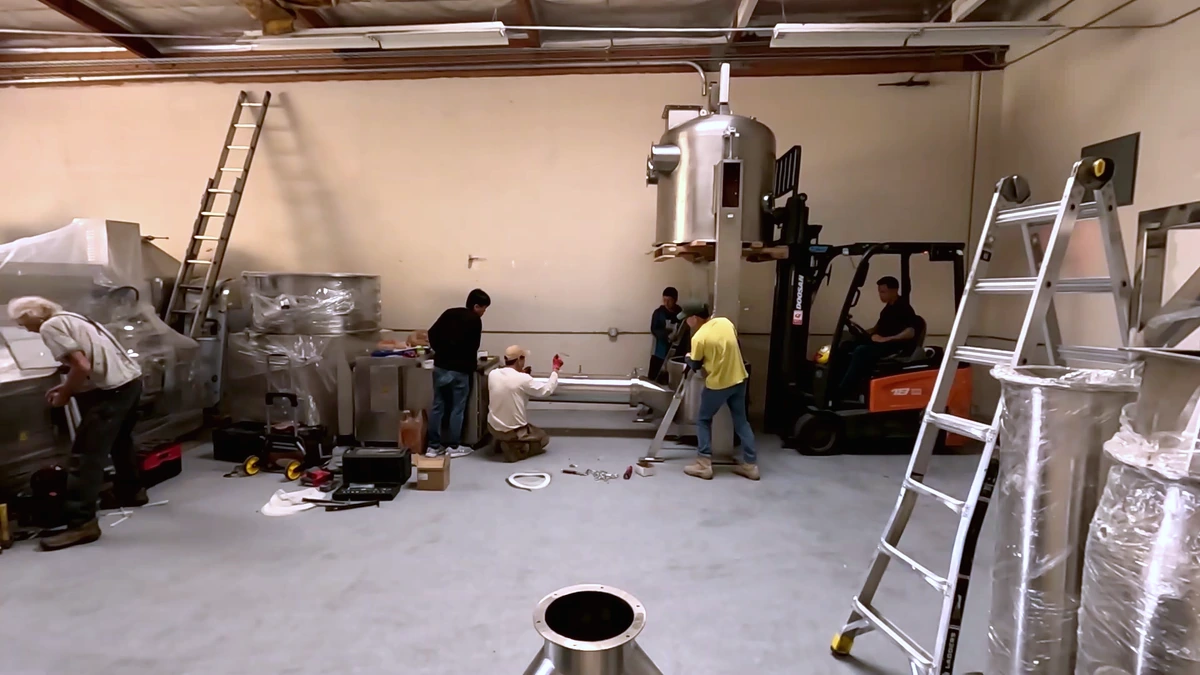
FROM OUR PROJECT RECORDS
Follow a GHL-400 wet granulator and FG-120 fluid bed dryer project through delivery, onsite assembly, commissioning, operating and cleaning SOPs, operator training and trial production.
The trial record also describes a wet-milling adjustment identified for further review. It is an example of why material trials and follow-up observations belong in the process plan.
Read the installation storyBEFORE THE QUOTATION
Start with the formulation, downstream process and material constraints. Compare the proposed stages and agree which trial observations will support the decision. The route and settings are application-specific.
Review the machine, feeding and transfer equipment, milling or drying stages, utilities, cleaning, installation and operator training. Confirm the included equipment and responsibilities in the project quotation.
Send the material details and test objectives to our team. Confirm equipment availability, sample requirements and the proposed trial scope before making arrangements.
PLAN THE NEXT STEP
Discuss the equipment, trial objectives and support scope for your granulation project.