Equipment / Flexible Packaging
Equipment / Blister equipment
BLISTER EQUIPMENT
Form the cavity. Choose the product feed and forming material together. Confirm the cavity layout, lidding, sealing and cutting with the selected DPP configuration.
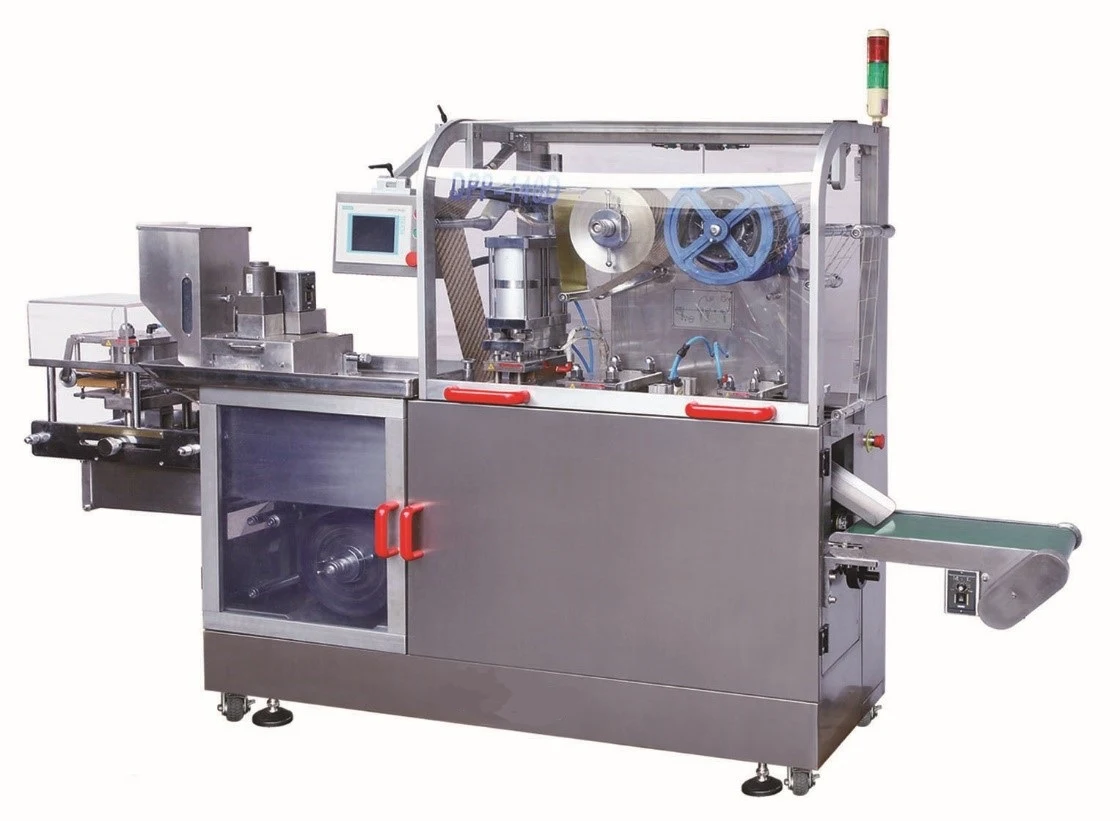
Compare blister configurations. DPP-160 A smaller blister packing configuration with forming, feeding, heat sealing, coding and cutting stations.
Cutting frequency reference 6–50 cycles/min
Maximum forming area 160 × 130 mm
Maximum depth 26 mm · standard 14 mm
Travel range 40–160 mm Output depends on the cavity and card layout. A standard 80 × 57 mm plate example in the source is not a rating for every product.
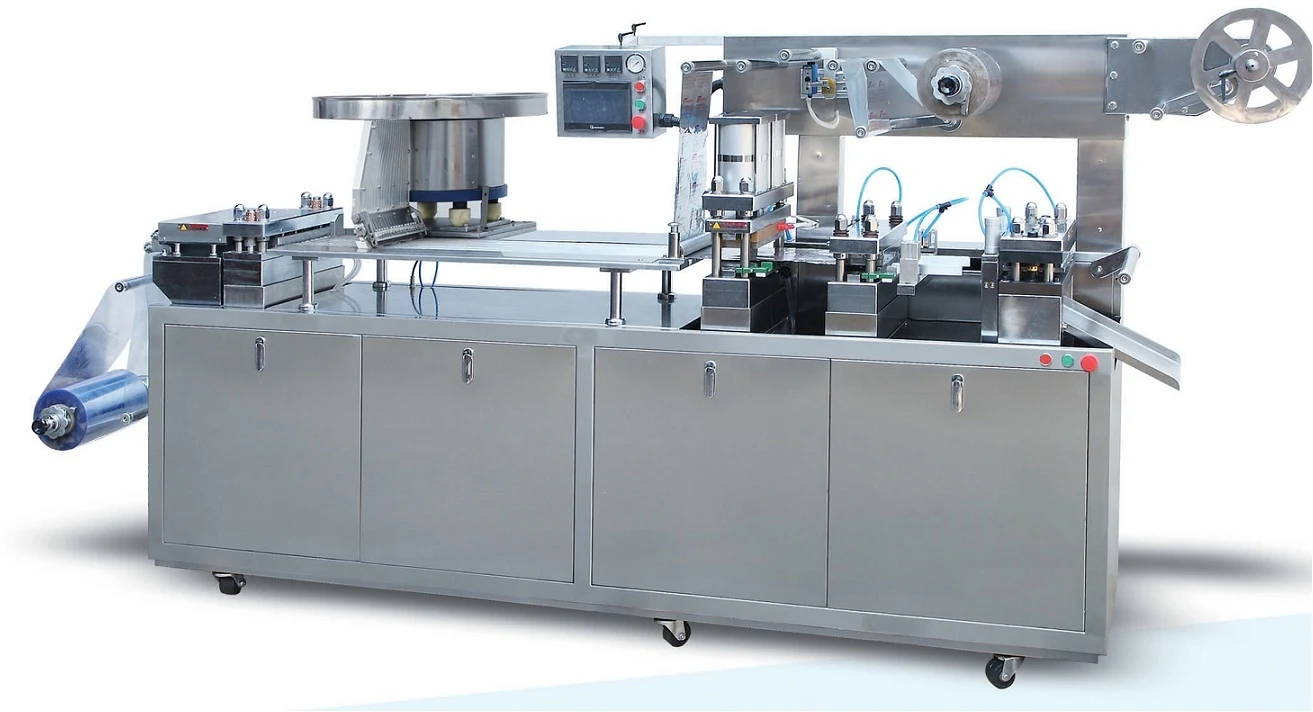
Discuss DPP-160 DPP-260 A servo-traction blister configuration with adjustable stations and selectable feeders for the product.
ALU-plastic · screw traction Up to 60 cutting cycles/min
ALU-plastic · roller traction Up to 70 cutting cycles/min
Depth reference ALU-plastic 26 mm / ALU-ALU 14 mm ALU-ALU cutting frequency and the maximum forming area are confirmed for the selected traction variant, material and tooling.
Discuss DPP-260 Form → Feed → Seal → Emboss or code → Cut
Reference specifications describe the listed configurations. Output depends on the product, dose or count, package, tooling and operating conditions. Confirm the final model, utilities and trial criteria before ordering.
Specify both webs. Review forming web, lidding foil, cavity design and sealing requirements as a complete blister system.
Explore blister materials THE MACHINE IS ONE PART OF THE PROJECT.
Think beyondthe specification. Discuss site preparation, installation, commissioning, training and ongoing support alongside the selected equipment. Scope, availability and costs are confirmed by project.